
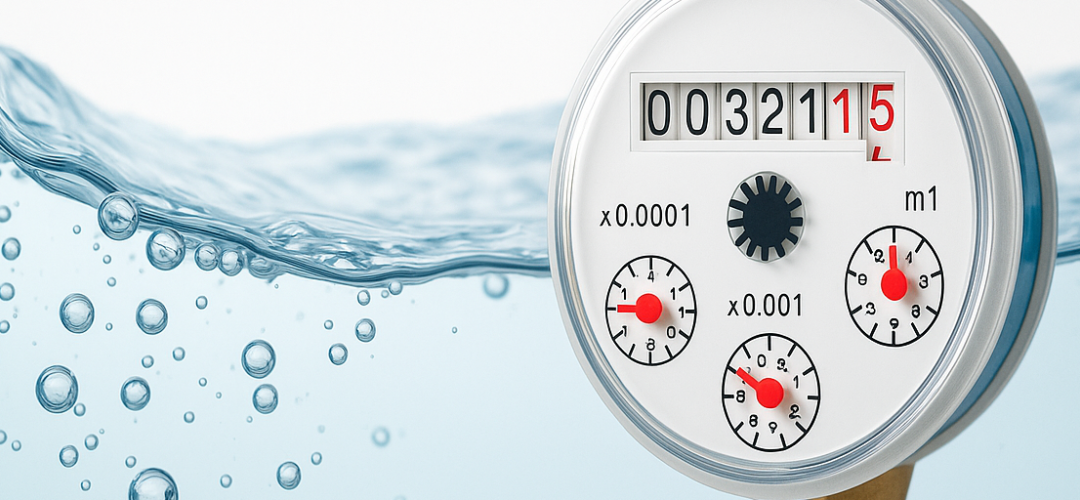
Understanding your water bill can be confusing, especially when estimated readings come into play. This FAQ will address common concerns about how estimated readings might be affecting your water expenses.
1. What are estimated readings and how do they affect my water bill?
Estimated readings are approximations of your water usage, provided by your supplier when an actual reading isn’t available. These estimates can lead to inaccurate billing, potentially causing you to pay for more water than you actually use. Regularly checking your consumption can help mitigate this issue.
2. How can I ensure my water readings are accurate?
To ensure accuracy, submit your actual meter readings to your water supplier regularly. This helps in receiving a bill that reflects your true usage. You can also install a smart meter for real-time monitoring, which can prevent reliance on estimates.
3. What should I do if I believe my estimated bill is too high?
If you suspect your bill is based on inflated estimated readings, contact your water supplier to dispute the charges. You can provide your own readings and ask for a recalculation. If discrepancies persist, consider consulting a water auditing service for further assistance.
4. Are there long-term implications of relying on estimated readings?
Yes, consistently relying on estimated readings can lead to overpayment and budgeting issues. It may also hinder your ability to track actual water usage trends, making it difficult to implement water-saving strategies. Regular checks and adjustments are crucial for accurate financial planning.
5. Can water auditing help with estimated reading issues?
Absolutely! Water auditing can identify discrepancies in your billing and highlight areas for improvement. By understanding your water usage patterns, you can make informed decisions and potentially lower your costs. For more details, visit our water auditing page.
Have a question we haven't answered? Get in touch — we're happy to help.
Call us: +44 330 223 7664